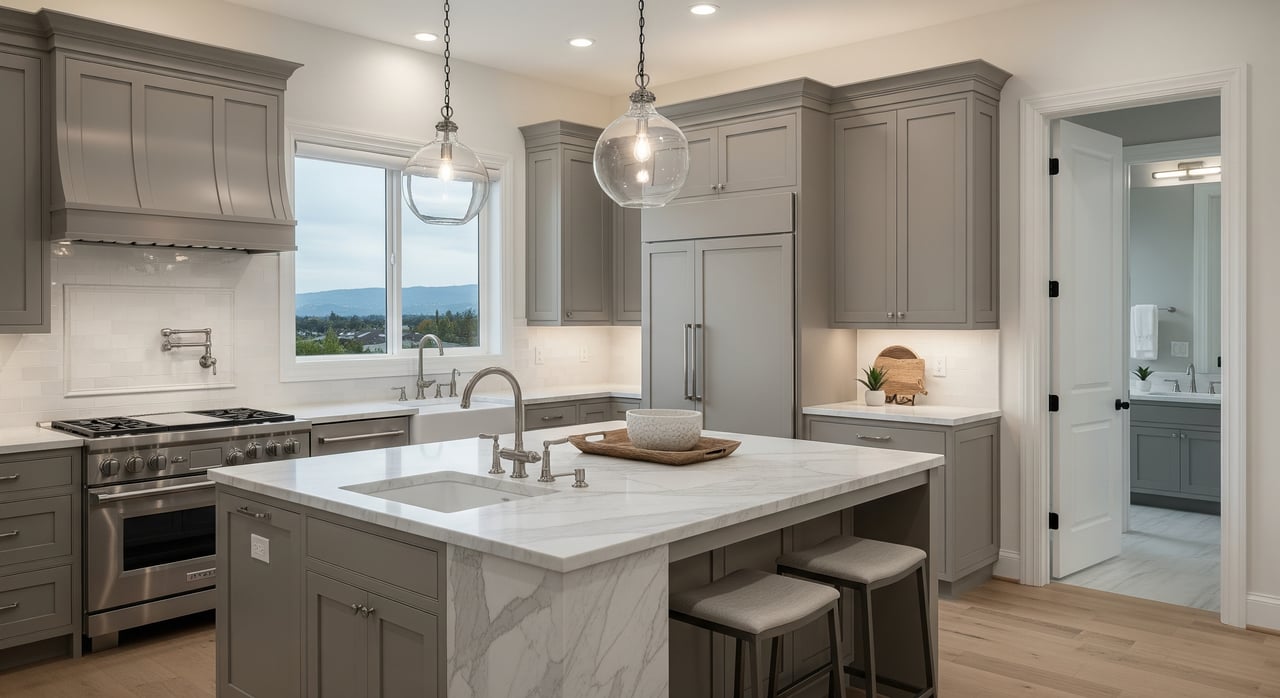
Thinking about refreshing your Milpitas kitchen or bathroom and not sure which parts need a permit? You’re not alone. Between plumbing changes, new circuits, and Title 24 energy rules, it’s easy to miss a step that can slow your project. This guide gives you a clear checklist of what typically needs a permit in Milpitas, what to submit, how to track reviews and inspections, and a smart sequence to keep your timeline on track. Let’s dive in.
What needs a permit in Milpitas
Most kitchen and bath remodels that change plumbing, electrical, gas, mechanical, or structure require permits. Cosmetic updates without system changes often do not.
Work that typically requires a permit
- Removing or adding walls, enlarging openings, or altering shear walls.
- Moving or adding plumbing fixtures, or changing drain, vent, or supply lines.
- Reconfiguring gas lines or adding gas appliances.
- Replacing or relocating HVAC equipment or installing a ducted range hood venting outdoors.
- Adding or relocating electrical circuits, upgrading the main panel, or installing new 240 V appliance circuits.
- Installing or replacing water heaters.
- Changing layouts that affect egress or create new rooms, which may trigger smoke/CO alarm and ventilation requirements.
- Exterior changes that affect the building envelope, openings, or grading/utility work.
Work that may not require a permit
- Replacing cabinets without changing plumbing, electrical, or structure.
- Swapping countertops when sink locations and openings stay the same.
- Painting, wallpaper, and most flooring.
Note: Cosmetic projects frequently become permitted work if you move appliances, open walls, or add circuits. Confirm your exact scope with the City of Milpitas Building Division before you start.
Documents and plans you will need
Clear, complete submittals help reviewers move your project faster and reduce correction cycles.
Application and administrative items
- Completed building permit application with project valuation and scope.
- Proof of ownership or owner‑builder declaration if you apply as owner‑builder.
- Contractor information with CSLB license number and City business license if required.
- Fee payment or deposit details.
Drawings for kitchens and bathrooms
- Cover sheet with address, parcel/APN, scope summary, valuation, and applicable code editions.
- Site plan showing property lines, building footprint, exterior vents, mechanical equipment, and gas meter if relevant.
- Demolition plan clearly identifying removals.
- Existing and proposed floor plans with dimensions, fixture and appliance locations, cabinet layout, door swings, and windows.
- Framing/structural sheet for removed walls or enlarged openings, with stamped structural calculations if required.
- Electrical plan with panel schedule, circuiting, loads, lighting and controls, GFCI/AFCI, and dedicated appliance circuits.
- Plumbing plan showing fixture locations, hot/cold lines, waste/vent routing, and pipe sizes.
- Mechanical/ventilation plan for range hood termination and bathroom exhaust routing to the exterior.
- Details and sections for key conditions like hood termination, penetrations, counters, and shower waterproofing.
- Manufacturer cut sheets for equipment such as range hoods, water heaters, or HVAC.
Energy and green code requirements
- Title 24 Energy Standards: provide the required compliance documentation for lighting, mechanical, or other applicable measures. Include the appropriate residential forms for your scope.
- CalGreen mandatory measures: water‑conserving fixtures and construction waste reduction practices. Include the applicable checklist and documentation.
- HERS or other verification when specific measures (for example, new HVAC) require third‑party testing.
Structural and environmental notes
- Provide engineered plans and calculations stamped by a California structural engineer when removing load‑bearing walls or changing lateral elements.
- For homes with potential asbestos or lead, follow state and federal rules for assessment, notification, and abatement during demolition.
How to apply and track your permit
Most homeowners apply online through the City’s permit portal or submit in person at the building counter. After you apply, you will receive a permit number to track plan review and schedule inspections.
Submittal and review timeline
- Simple remodels without structural changes often review in 1 to 4 weeks.
- Projects with multiple trades may review in 2 to 8 weeks.
- Structural scopes and complex designs can take longer. Check current timelines with the City of Milpitas.
Corrections and resubmittals
If reviewers issue corrections, respond with:
- A revised plan set with changes clouded and dated.
- An item‑by‑item response letter explaining how each comment was addressed.
- Any updated forms or calculations. Each resubmittal typically restarts review, so aim for a complete response.
Scheduling inspections
Once your permit is issued, you can request inspections online or by phone using your permit number. Common inspections include rough plumbing, electrical, mechanical, framing, insulation, and final. Provide clear access, post the permit card, and ensure the correct trade is on site when needed.
Recommended sequence to reduce delays
A clean sequence saves time, cuts change orders, and keeps bids accurate.
1) Pre‑design and scope
Decide if your project is cosmetic, a layout change, or structural. Measure existing conditions, locate structural elements, and note panel, gas, and water locations. Flag any fixture moves, new circuits, or hood venting to the exterior.
2) Feasibility check
Share a brief project summary with the City of Milpitas Building Division to confirm triggers for plan check and whether any planning approvals are needed for exterior changes.
3) Permit‑ready design
Produce a complete plan set with structural engineering if applicable. Prepare Title 24 documentation and the CalGreen checklist. Clear plans reduce correction cycles.
4) Contractor bidding
Bid only after you have permit‑ready documents. Ask for apples‑to‑apples pricing, including permit fees, expected plan review times, and schedule contingencies. Verify each contractor’s CSLB license, insurance, and Milpitas experience.
5) Permit submittal
Submit plans online or in person and pay fees. You can begin plan review while finalizing contracts if the scope is set, which can shorten the overall timeline.
6) Pre‑construction coordination
Order long‑lead items like custom cabinets after permit intake is accepted so deliveries match your inspection schedule. Line up trades for rough‑in work and inspection windows.
7) Construction and inspections
Follow the inspection sequence. Keep an issue log for any corrections and resubmittals. Avoid covering work before inspection to prevent rework.
Practical timeline tips
- Submit permit applications early enough to absorb at least one correction cycle.
- Budget contingency for plan check time and resubmittals.
- Use local contractors who know Milpitas requirements; they often reduce review comments.
- Confirm whether separate trade permits are needed or covered under one building permit.
Typical inspection milestones
Demo, with permit posted.
Underground plumbing or gas, if applicable, before backfill.
Rough framing after structural changes and beam/header installation.
Rough plumbing, electrical, and mechanical after all rough‑in work is complete and visible.
Lath/sheathing or fire blocking if exterior changes occurred.
Insulation before drywall when walls or ceilings are opened.
Drywall inspection if required by your scope.
Final trade inspections after fixtures and appliances are installed.
Final building inspection and sign‑off.
Common pitfalls to avoid
- Starting work without permits, which can trigger stop‑work orders, fines, or retroactive permits.
- Bidding from incomplete plans, leading to change orders and delays.
- Underestimating Title 24 and CalGreen requirements, a frequent source of plan corrections.
- Skipping engineering for load‑bearing wall removals.
- Covering work before inspections, which can force tear‑backs and extra inspections.
- Hiring unlicensed or uninsured contractors for projects over the legal threshold.
Contractor licensing and owner‑builder basics
Verify your contractor’s CSLB license classification, active status, and insurance. Licensed contractors are required for most projects above the state threshold.
Owner‑builders can pull permits, but you assume contractor responsibilities and liabilities. Lenders and insurers may have specific requirements, so confirm early.
Quick Milpitas kitchen & bath submittal checklist
- Completed permit application with valuation and scope.
- Contractor info with CSLB license, or owner‑builder declaration.
- Dimensioned existing and proposed floor plans.
- Demolition plan and scope list.
- Electrical plan, panel schedule, and load calculations if panel work is included.
- Plumbing plan showing fixture locations and routing.
- Mechanical/ventilation plan for range hood and bath fans.
- Structural drawings with engineer’s stamp if removing load‑bearing elements.
- Title 24 and CalGreen compliance forms.
- Manufacturer cut sheets for key equipment.
- Fee payment and any deposits.
If you are planning upgrades before selling or want a smoother remodel process, our team can help you time improvements, connect with trusted local pros, and keep your listing timeline on track. Reach out to Oliver Huang & Jill Chen Estate Group to Request a free home valuation.
FAQs
Do I need a permit to replace kitchen cabinets in Milpitas?
- If you are only swapping cabinets and not moving plumbing, electrical, gas, or walls, a permit is typically not required. Any fixture moves, new circuits, or structural changes will trigger permits.
When does moving a sink or toilet require a permit?
- Relocating sinks, dishwashers, toilets, tubs, or showers, or altering drain/vent or supply lines, typically requires a plumbing permit and plan review.
What Title 24 rules affect kitchen and bath remodels?
- Title 24 sets energy standards for items like high‑efficacy lighting and controls, ventilation, and certain mechanical upgrades. Provide the required compliance documentation with your submittal.
How long does Milpitas plan review usually take?
- Simple remodels may review in 1 to 4 weeks, multi‑trade projects in 2 to 8 weeks, and structural scopes longer. Timelines vary, so check current estimates with the City.
Can I pull permits as an owner‑builder in Milpitas?
- Yes. You can apply as an owner‑builder, but you assume contractor responsibilities and liability. Confirm insurance and lender requirements in advance.
How do inspections work during construction?
- Schedule inspections with your permit number for each stage: rough trades, framing, insulation, and final. Do not cover work before the required inspections are approved.
What happens if work is done without permits?
- The City may issue stop‑work orders, require retroactive permits, or levy fines. Unpermitted work can also create disclosure issues during a home sale.
Do I need separate permits for electrical, plumbing, and mechanical?
- Some projects are covered under one building permit, while others require separate trade permits. Confirm permit structure with the City when you apply.